

The use of essential oils has become increasingly widespread over the last few years. While wildly popular, scientific support about the positive health effects is limited and contradictory. This is particularly true when discussing health effects on your pet.
How safe are these essential oils for our pets?
Many essential oils, such as eucalyptus oil, tea tree oil, cinnamon, citrus, peppermint, pine, wintergreen, and ylang ylang are straight up toxic to pets. These are toxic whether they are applied to the skin, used in diffusers or licked up in the case of a spill.
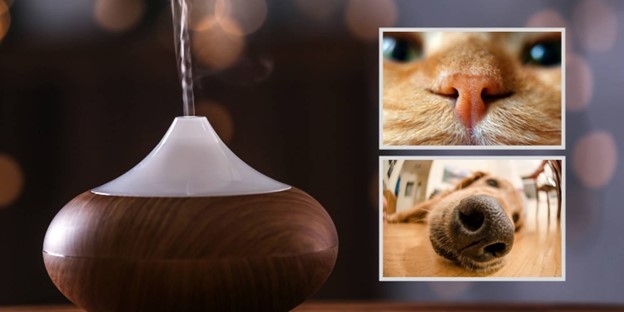
Diffusers emitting a lovely, nose-pleasing aroma may seem benign, but can be unsafe since it uses water vapour to diffuse tiny oil droplets into the air. Inhaling diffused oils is known to cause negative respiratory effects on humans and pets, if used in a small space and/or for an extended period of time.
It is important to note that cats and dogs are much more sensitive to scents than their human counterparts. What you may believe to be an insignificant, fragrant scent may be overwhelming and harmful to an animal.
The use of essential oils has become increasingly widespread over the last few years. While wildly popular, scientific support about the positive health effects is limited and contradictory. This is particularly true when discussing health effects on your pet.
WHAT ARE ESSENTIAL OILS AND WHAT ARE THE BENEFITS?
Essential oils are made from highly concentrated plant substances and are popular in aromatherapy and alternative medicine, as well as home air fresheners. There are numerous types of essential oils, each with their own unique physical and chemical properties.
People believe the use of these “natural” essential oils helps improve their personal and their pet’s health and happiness. The perceived health benefits of essential oils has convinced some pet parents to try a holistic, “natural” approach to help with a wide variety of medical conditions, from anxiety and skin problems to flea and tick prevention.
However, the perceived positive effects (calming sensations, stress-reduction, boost energy and improved focus, among others) of essential oils for you may result in significant negative effects on your beloved pet.
“Natural” doesn’t always mean safe.
There is some preliminary research – largely funded by companies selling herbal-infused pet products – that suggests essential oils may have some health benefits for pets. This has resulted in some holistic veterinarians to include essential oil treatments into their practices.
Although research is still in the early stages, the authors of this article don’t incorporate this yet-unproven therapy at their animal hospital, as they believe the risks outweigh any benefits. Instead, they recommend a Preventative Care Program that will cover all your bases and may complement any holistic approach you choose to pursue.
HOW DO ESSENTIAL OILS PUT MY CAT AT RISK?
Established research has shown that essential oils can be toxic to cats, whether taken internally, applied to the skin, or simply inhaled. Exposure can lead to serious liver damage, liver failure, respiratory failure, seizures and even death.
Felines are missing specific enzymes that provide the ability to properly process various compounds (called “gluconuridation”) found in essential oils, specifically phenols. Phenolic compounds occur naturally in plants and are highly concentrated in essential oils, leaving the liver the most vulnerable to organ failure.
Essential oil and aromatherapy diffusers, candles, liquid potpourri products, and room sprays are all sources of airborne essential oils that can be inhaled or licked off their fur. If you can smell the aroma of the oil, that means that there’s oil in the air and can result in respiratory distress.
General guidelines for the use of essential oils in homes with your feline friends:
-
Do not apply or feed essential oils directly to cats, or leave oils in areas where they may come in direct contact. While some oils do have insect repellant capabilities and smell great, the risk of serious or fatal reactions in your cat is high. Your inquisitive pet will thank you.
-
If your cat has asthma, allergies, or another respiratory conditions, avoid all use of essential oils.
-
Keep cats out of rooms with a high concentration of essential oils. Kittens, elderly cats, or cats who have liver or respiratory problems should be kept out of any roomwhere essential oil diffusers are used.
The following essential oils are poisonous to cats:
-
Cinnamon oil
-
Citrus oil
-
Clove oil
-
Eucalyptus oil
-
Oil of Sweet Birch
-
Pennyroyal oil
-
Peppermint oil
-
Pine oils
-
Tea Tree oil
-
Wintergreen
-
Ylang Ylang
IS MY DOG AT RISK IF I USE ESSENTIAL OILS?
A dogs’ sense of smell is much more keen than humans – this is very important to consider if you plan to use or diffuse essential oils in your home. Placing drops of lavender oil on your pet’s bedding may help calm them, or it may just cause further stress. Oils used incorrectly can also lead to changes in behaviour, adverse central nervous system effects, and respiratory problems.
Natural flea and tick treatments that use essential oils can be tricky. With a lack of data supporting the efficacy of these products, pet parents may be putting their dogs at risk for flea and tick-borne diseases.
If you plan to use essential oils with/on your dog, there is an easy way to do it safely: talk to to your vet team. They will let you know which oils are potentially dangerous and provide you with information about safely using them in your home.
-
Keep all essential oils out of reach of curious dogs – ALWAYS. Fragrant smelling liquids may attract your dog and never leave essential oils unattended.
-
Do not apply pure essential oils topically or orally to your dog without consulting with your veterinarian first. Oils can be dangerous – especially tea tree oil – and there’s scant evidence that they’re effective.
-
If you have an active diffuser, make sure the oil you’re using is safe for your particular animal (more on this below), and air out the room before you let your dog back in.
-
Passive diffusers are generally safer, as long as your pet doesn’t knock them over. Generally speaking, the more dilute the oil, the safer it is…but always check with our vets first!
For our canine friends, toxic essential oils include:
-
Pennyroyal oil
-
Pine oil
-
Tea tree oil
-
Wintergreen oil
-
Cinnamon oil
-
Citrus oil
-
Peppermint oil
-
Sweet Birch oil
-
Ylang Ylang
PET EXPOSURE TO ESSENTIAL OILS.
What to do.
If you’re worried that your pet has been exposed, monitor them for symptoms. If they start having a negative reaction, bring your pet to your pet clinic or an emergency animal clinic immediately.
Common symptoms of essential oil poisoning:
-
watery nose or eyes
-
redness of the lips, gums or skin
-
vomiting and drooling
-
difficulty breathing or panting; coughing or wheezing
-
lethargy, tremors or wobbliness
-
low heart rate
-
low body temperature
What to do before going to your vet clinic or emergency animal hospital:
-
If the product was inhaled, take them into fresh air immediately.
-
If ingested, Do NOT induce vomiting or give them activated charcoal. This puts your pet at risk because essential oils can stick to the lungs and airway leading to lung inflammation or airway obstruction.
-
Put the product and packaging in a sealed bag and bring to the clinic or emergency hospital.
-
If your pet gets oil on its skin or fur, wash it off as quickly as possible using hand dishwashing soap.